In Bosnia and Herzegovina, you can be one of four things
- Serb
- Croat
- Bosniak
- “The Others”
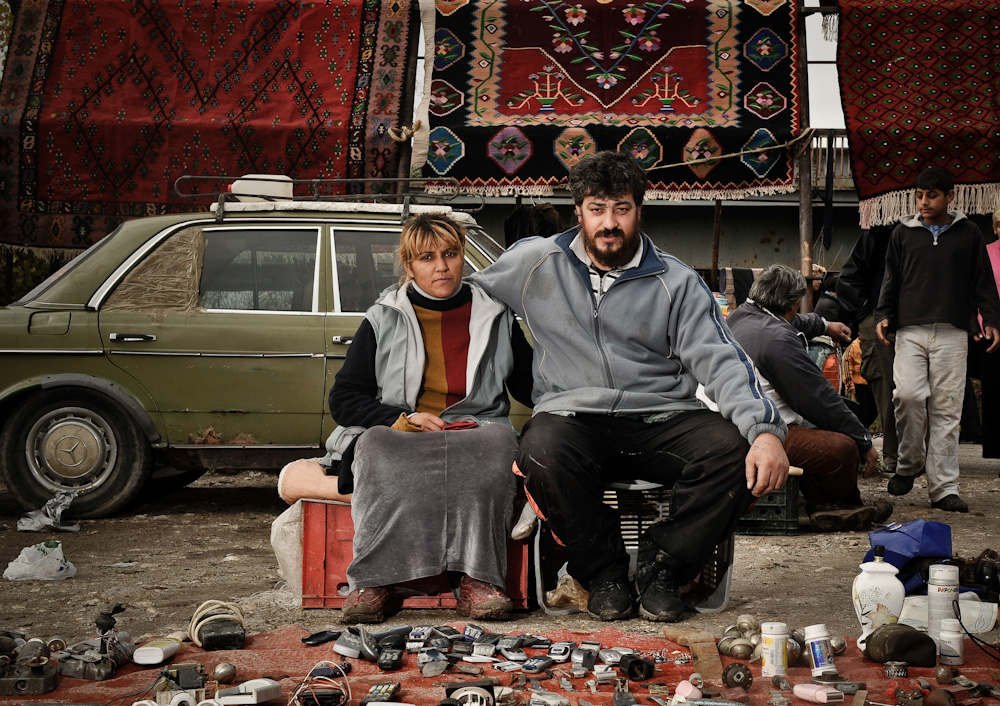
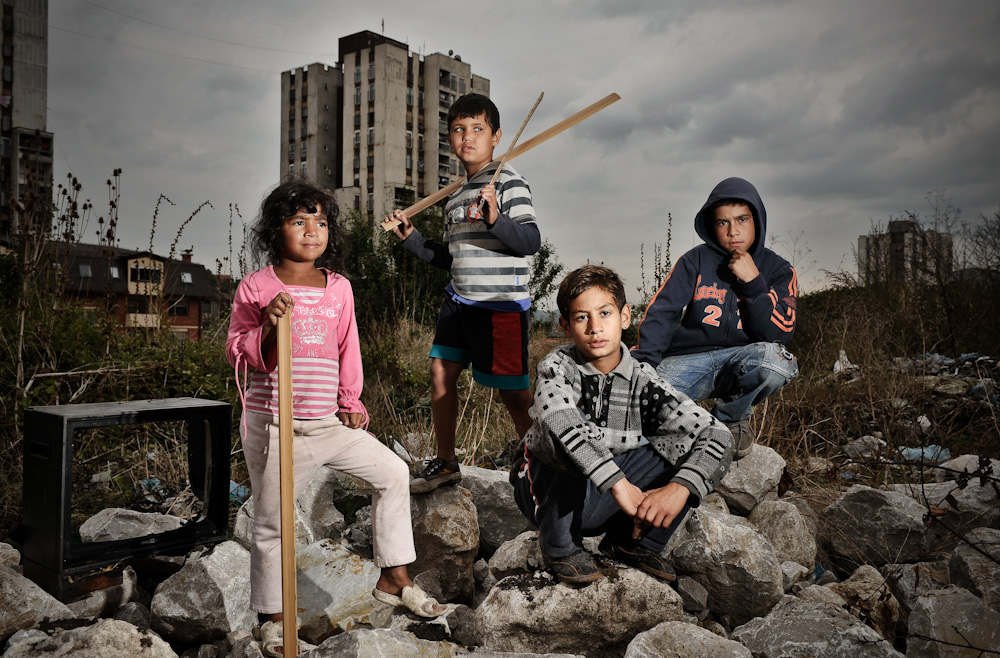
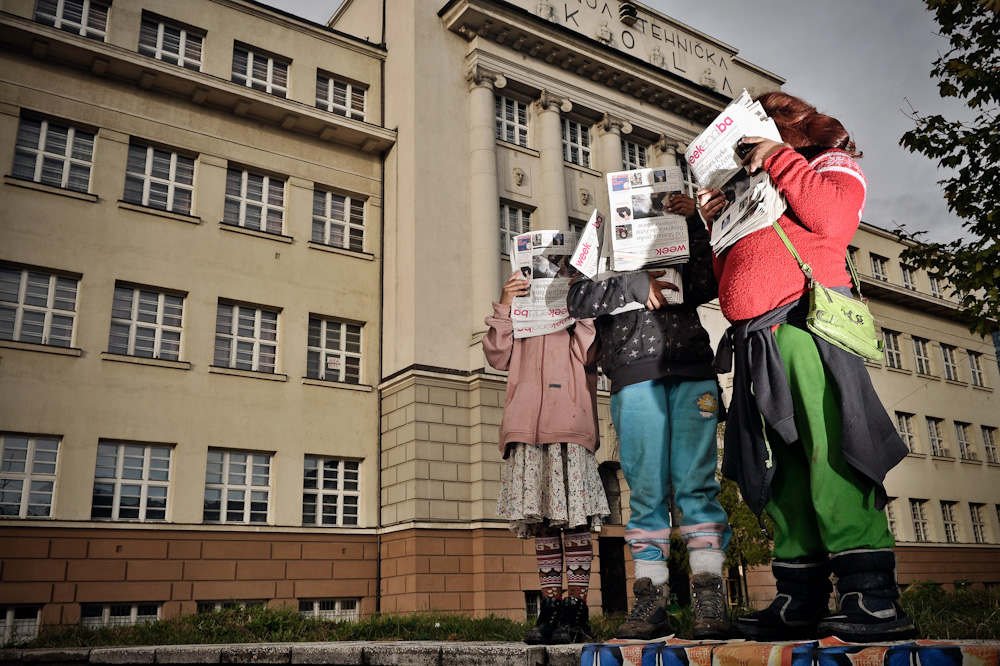
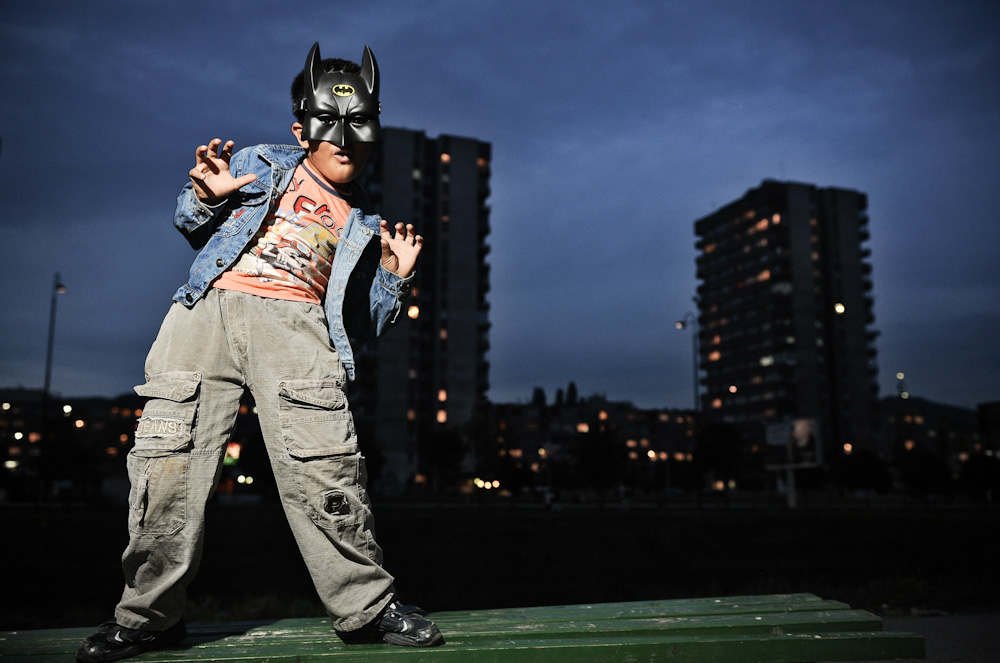
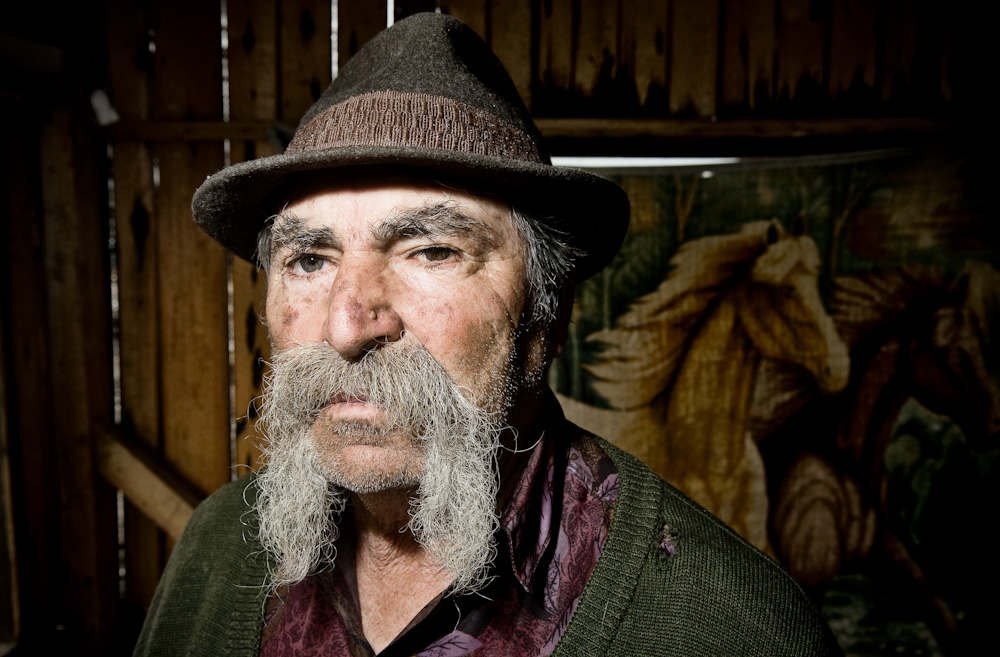
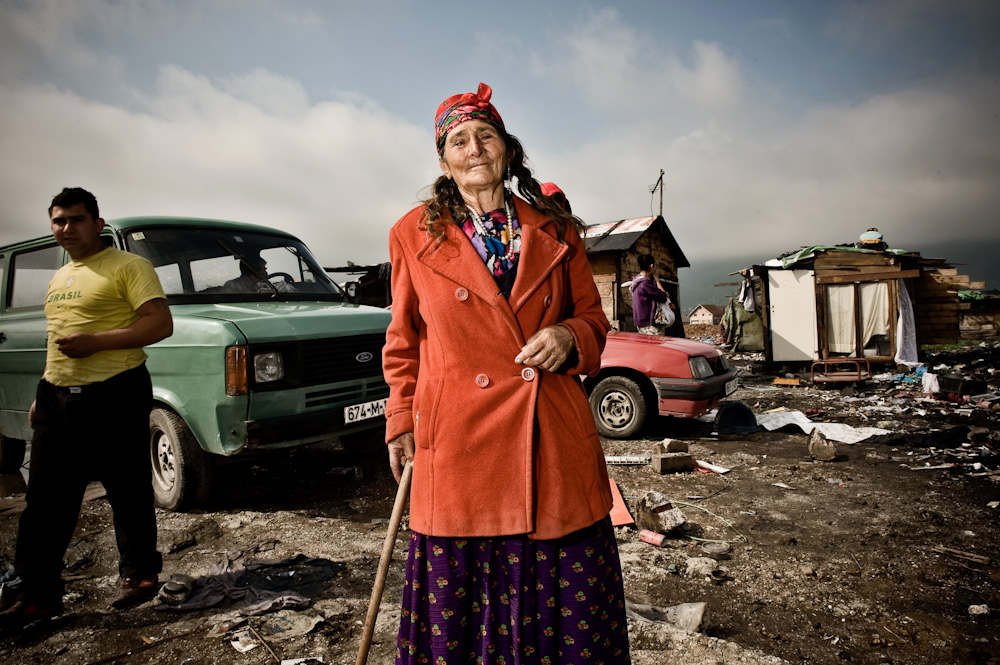
The Others are Jews, Roma, Germans, Poles, Bulgarians, Romanians, Hungarians, even Eskimos (yes, Eskimos!). They may have lived in Bosnia and Herzegovina their whole lives, speak the local language as their mother tongue and practice traditional customs, but because of a pointless bureaucratic mechanism, they are recognized only as “The Others.”
I belong to The Others.
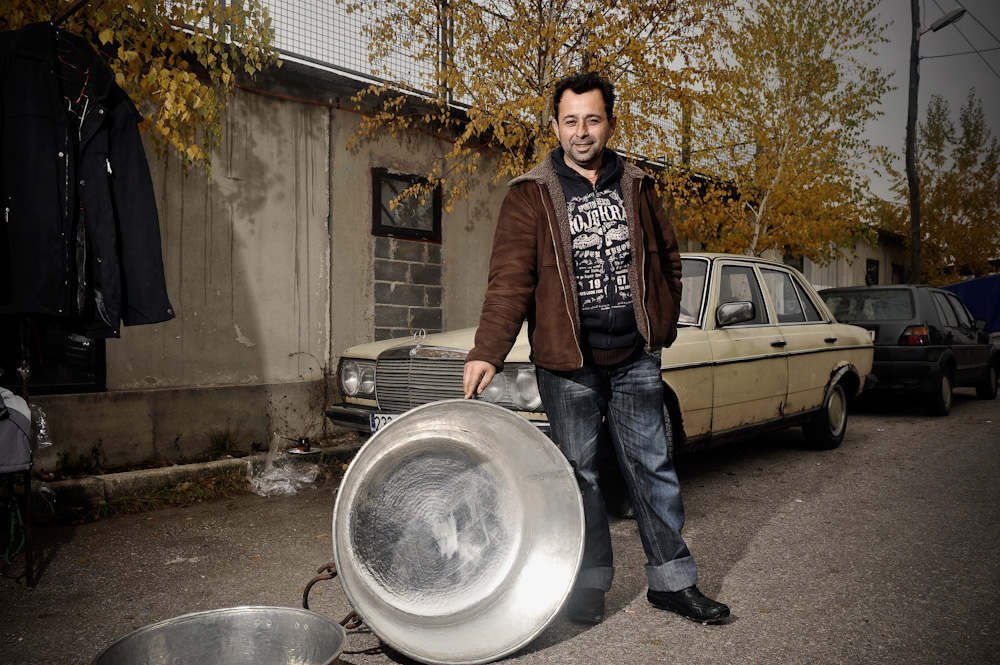
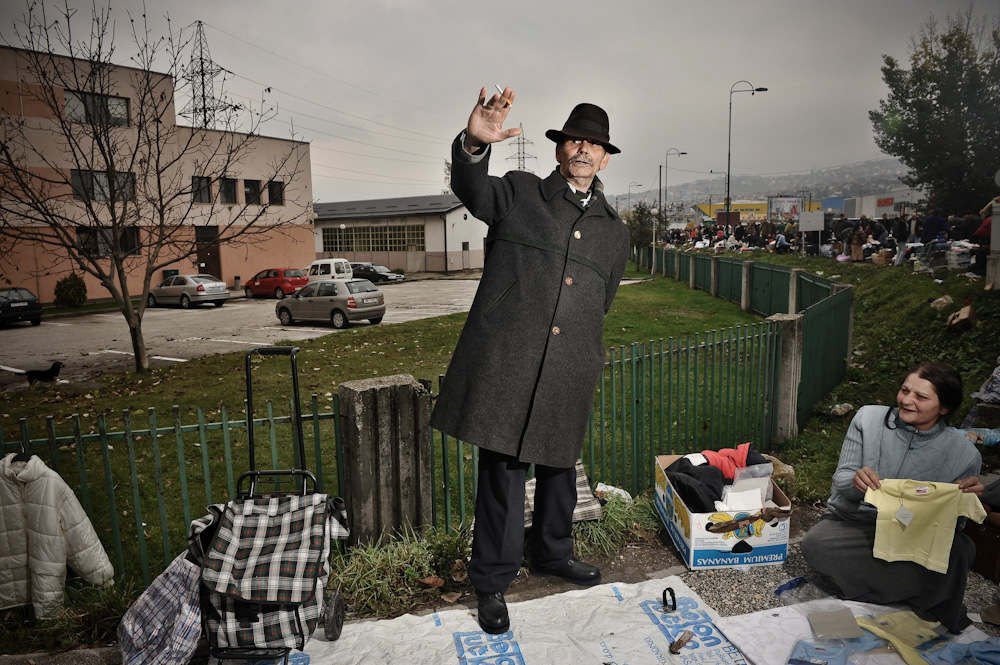
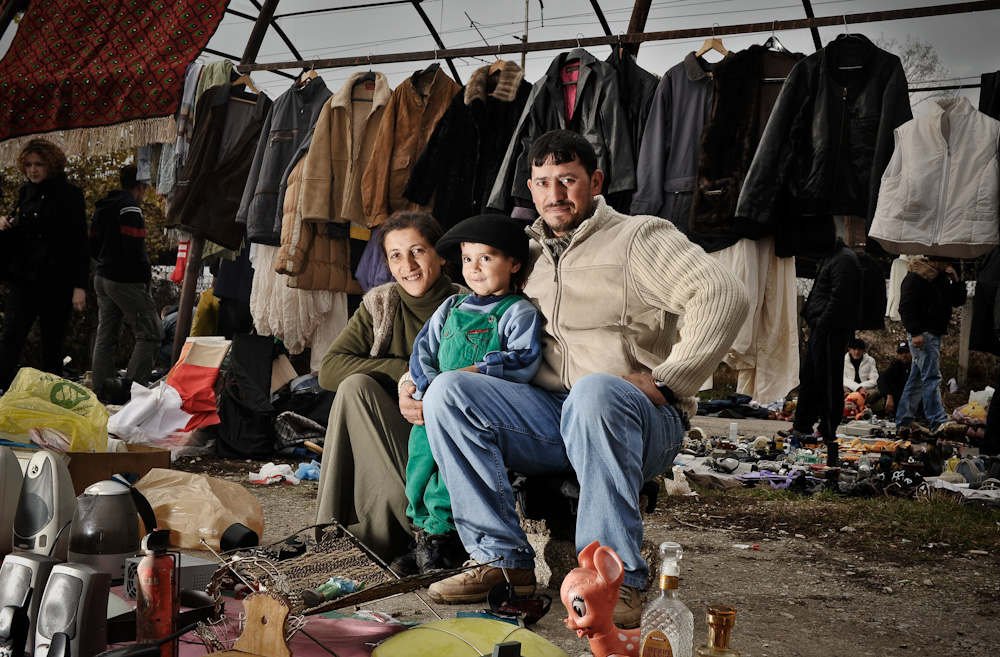
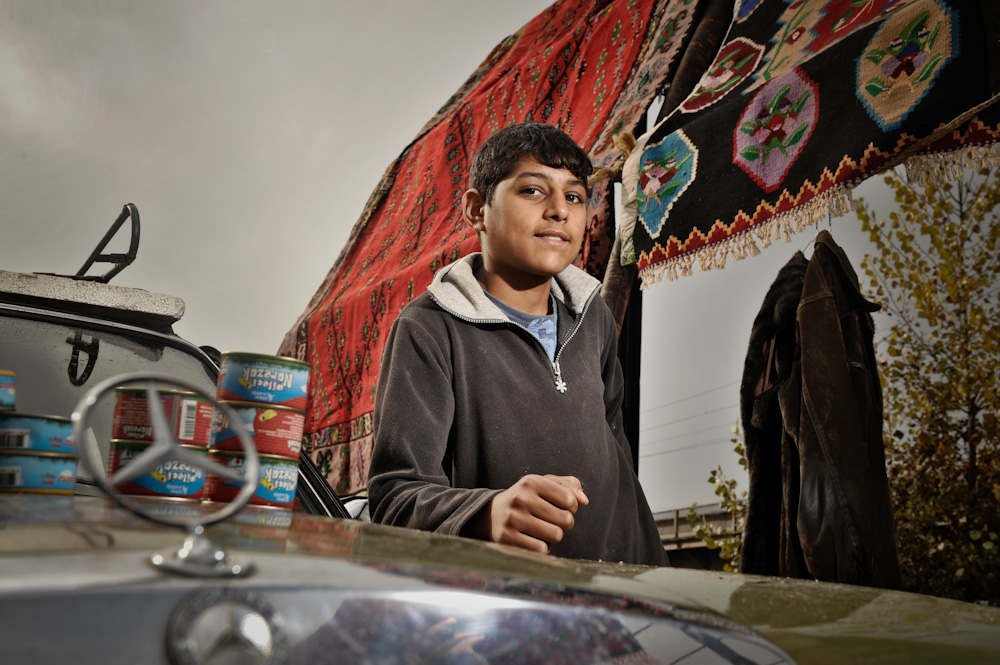
A few years ago, two men, Dervo Sejdić, a Roma, and Jakob Finci, a Jew, sued the state of Bosnia and Herzegovina for violating their human rights. The case reached the European Court of Human Rights in Strasbourg. Under the constitution of Bosnia and Herzegovina, only citizens of Serb, Croat or Bosniak nationality could stand as candidates for the Presidency of Bosnia and Herzegovina. Sejdić and Finci wanted to compete democratically with candidates of other nationalities, but there was no legal basis for them to stand.
The court ruled that everyone must be given the same rights in this regard. Outside the court, a delighted Mr Finci said: “Those who encourage national divisions say they are doing it to protect their people. But to put it another way: if you had a toothache, you would look for the best dentist, not a dentist of your own nationality, because you are looking for an expert, not a member of a certain nation.”
The ruling was not implemented. Elections took place, and a new presidency was elected. Mr Sejdić and Mr Finci could have asked for the vote to be repeated. They could have fought until their names were on the ballot papers, but for reasons known only to them, they did not. Had they done so, Bosnia and Herzegovina would have lost 12 million KM, the cost of holding an election. It’s not easy being one of The Others.
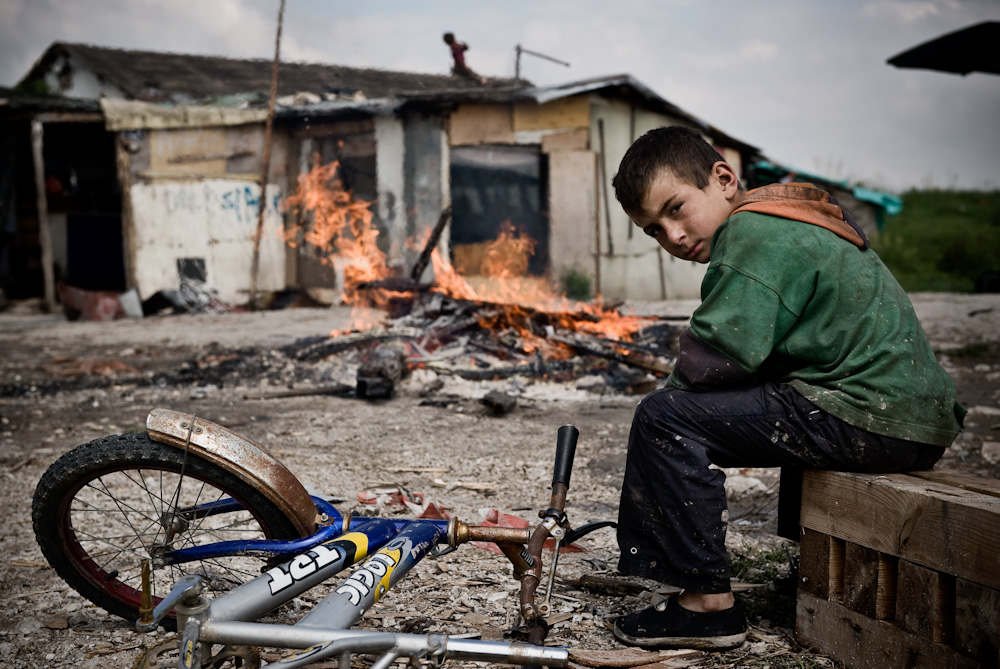
Discrimination doesn’t stop at the political level; it filters down to every level of society. When the war was over, politicians talked about reconciliation and equal rights, but little has changed for ordinary people. In many villages and cities, children cannot sit in the same classroom simply because they have different names, nationalities and religions. Mixed marriages (unions between members of different nationalities and religions) have been demonized. What is ordinary, normal and unremarkable in other democratic countries is roundly condemned in the media as unacceptable, filthy and against God’s law.
Of all The Others, Roma people face the worst discrimination. They are constantly derided, have no jobs and no prospects for the future, and the financial help they should receive is diverted to other people.
The politicians will not succeed in repressing the spirit of those who do not believe that the nationality and religion of others matter more than anything else. We are all Bosnians and Herzegovinians.